

NRG LOOP
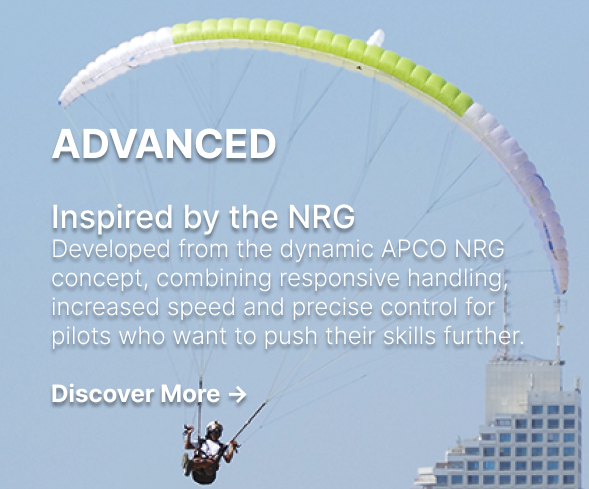
Inspired by the NRG
BUNNY HOP
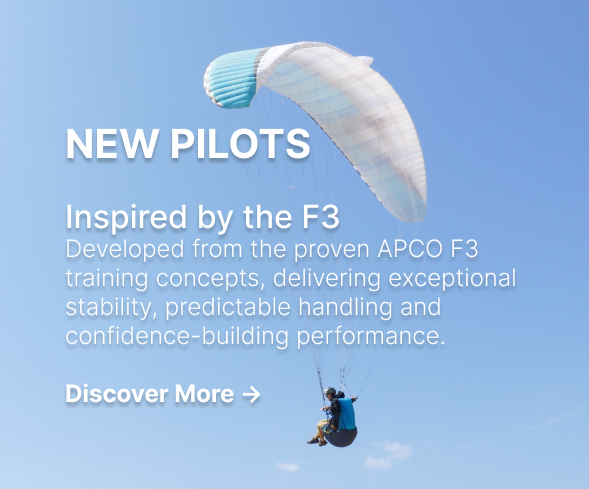
Inspired by F3, made for safe progress
WHY CHOOSE A PARAKITE
Fly Any Day
Enjoy kite flying even when conditions are not suitable for paragliding

Soar In Light Winds
Enjoy soaring in very light coastal winds, extending your flying opportunities beyond the limits of conventional paragliders.

Extended Wind Range
Operate confidently across a broader range of wind conditions, from light coastal lift to stronger winds.

Build Pilot Skills
Improve coordination, precision and confidence that transfer directly to flying.

Fun For Everyone
Suitable for beginners, families, children and experienced pilots alike.
NRG LOOP – BUILT FOR MORE

THE TECHNOLOGY BEHIND THE PERFORMANCE
Inspired by APCO’s proven NRG philosophy, every innovation on this wing has a purpose. From advanced riser architecture and adaptive control systems to refined aerodynamics and profile stability, each feature works together to deliver faster response, greater efficiency and predictable handling across the entire speed range.

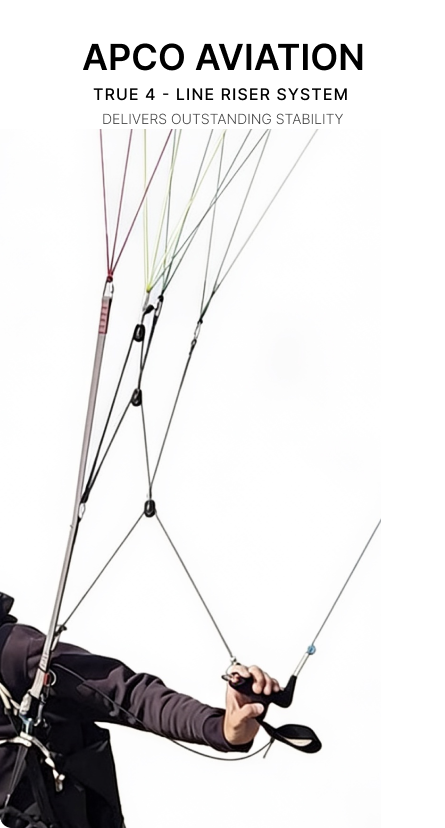
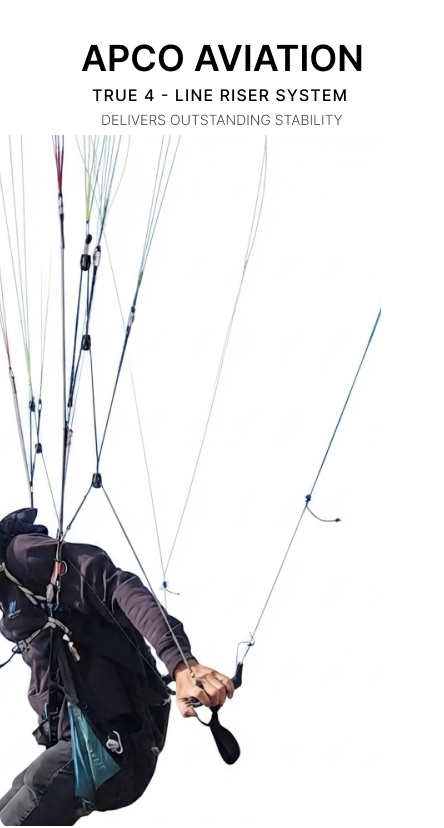
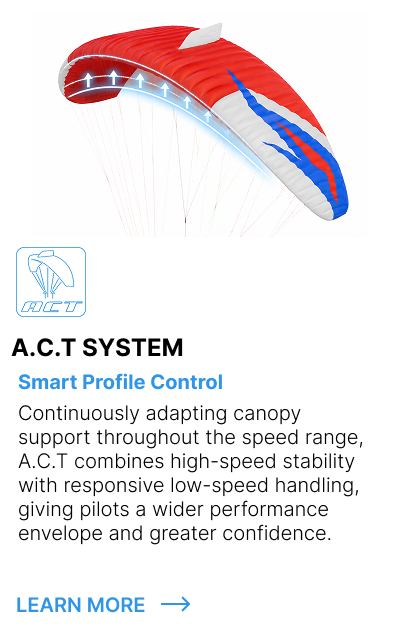
A.C.T
ADAPTIVE CAMBER TRANSMISSION
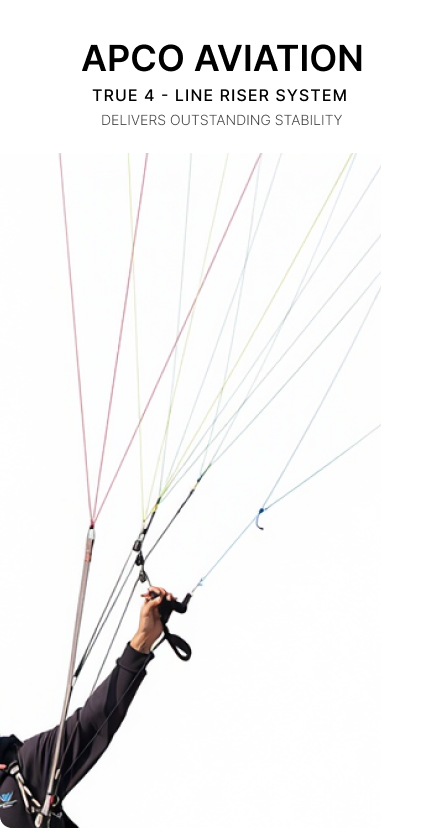
A revolutionary 4-liner architecture developed specifically for high-performance parakites. The A.C.T system continuously supports the wing profile throughout.
By combining direct feedback, linear brake response and an extended usable speed range, A.C.T creates a dynamic yet predictable flying experience for pilots seeking maximum performance.





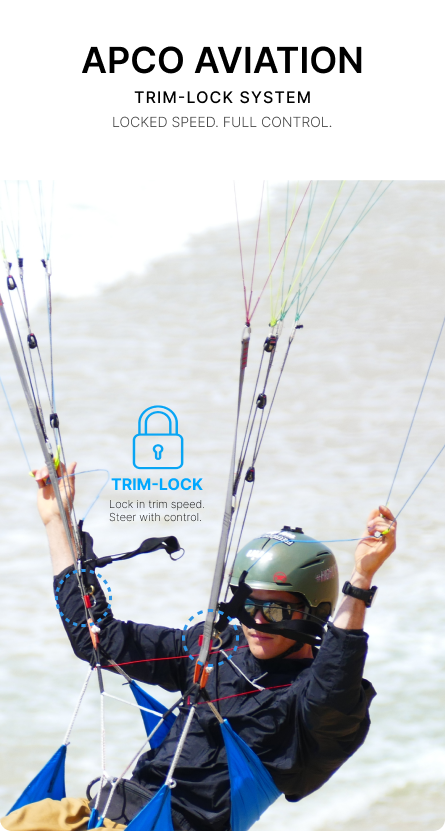
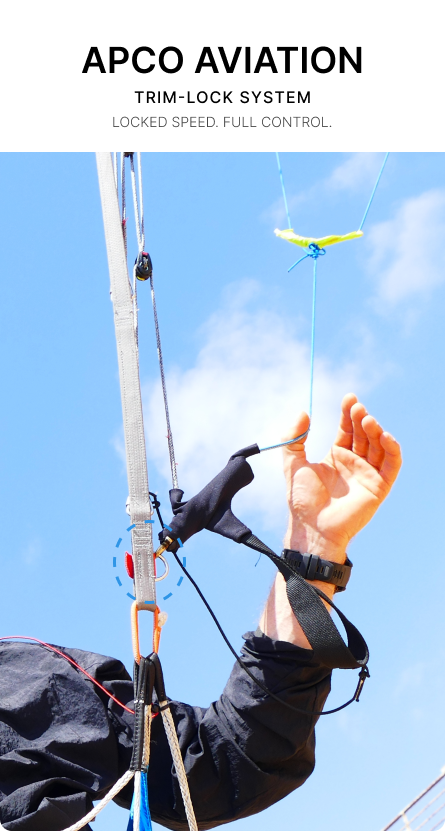
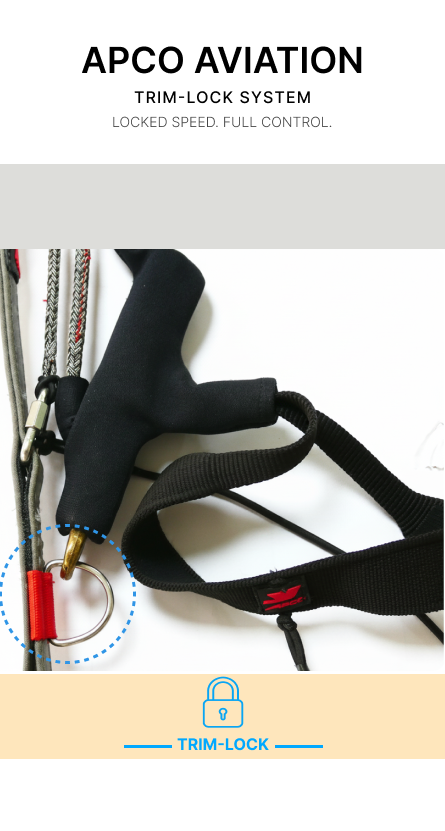
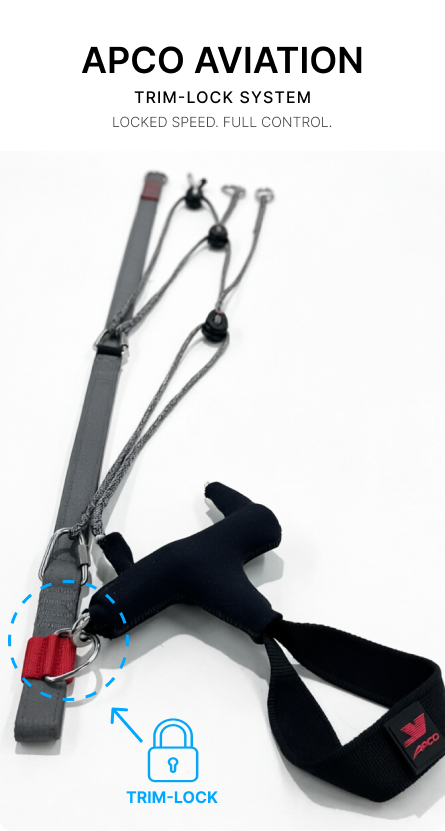
TRIM-LOCK SYSTEM
LOCKED SPEED SYSTEM
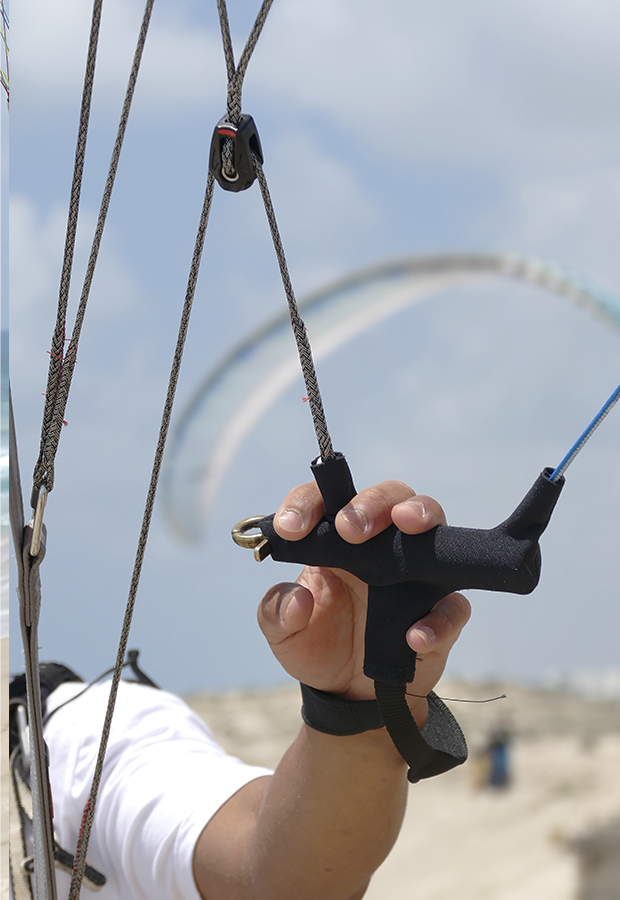
The APCO Trim-Lock System allows the pilot to mechanically secure the main toggles directly to the A-risers, maintaining the wing at its optimized trim position.
Through a dedicated split-control cascade, the pilot continues to command the wing with smooth, intuitive inputs, combining efficient high-speed flight with precise handling and reduced pilot workload.
Designed for advanced soaring and dynamic flying, the system delivers a unique blend of stability, control and performance.




— KEY TECHNOLOGIES —
— Additional Technologies —
REVIEWS
RESOURCES AND DOWNLOADS
Everything you need to get the most from your parakite.
Download manuals, technical information and important documents.

User Manual
Complete setup, operation, maintenance and safety information.
Version 1.0 | PDF | 4.2 MB
| NRG Loop / Size | 14 | 15 | 16 | 17 |
|---|---|---|---|---|
| Area (projected) [m2] | 13.28 | 13.98 | 14.69 | |
| Span (projected) [m] | 7.23 | 7.61 | 7.98 | |
| Aspect Ratio | 5.22 | 5.49 | 5.76 | |
| Pilot Weight [kg] | 55-115 | 60-125 | 70-135 |
|
| Canopy Weight [kg] | 3.9 | 4.05 | 4.3 |
|
| Code | 33714 | 33715 | 33716 | 33717 |
*Approximate Weight
| V-min [km/h] | 27 |
|---|---|
| V-trim [km/h] | 39-49 |
| V-trim off [km/h] | 58 |
| V-max [km/h] | 80+ |
| Min Sink [m/s] at optimal wing loading | 1.4 m/sec |
| Material | Diameter [mm] | |
|---|---|---|
| Top | Dyneema | 1.0 |
| Mid (a1:b1:c1:d1) | Vectran | 1.0 |
| Mid (**Brake;a3,5;b3,5;c;d) | Vectran | 0.9 |
| Bottom (A3,5;B3,5) | Super Aramid | 1.4 |
| Bottom (A1;B1) | Super Aramid | 1.6 |
| Bottom (C; D; St) | Superaramide | 1.0 |
| Brake Cascades; St top | Vectran | 0.6 |
| Steering Line | Polyester | 2.0 |
| Sail Cloth | 42 gr/m2 "Zero Porosity" Ripstop Nylon |
| Rib Reinforcement | FLEXON® batten system |
| Warranty | 3 years / 250 Hours |
AVAILABLE COLOURS
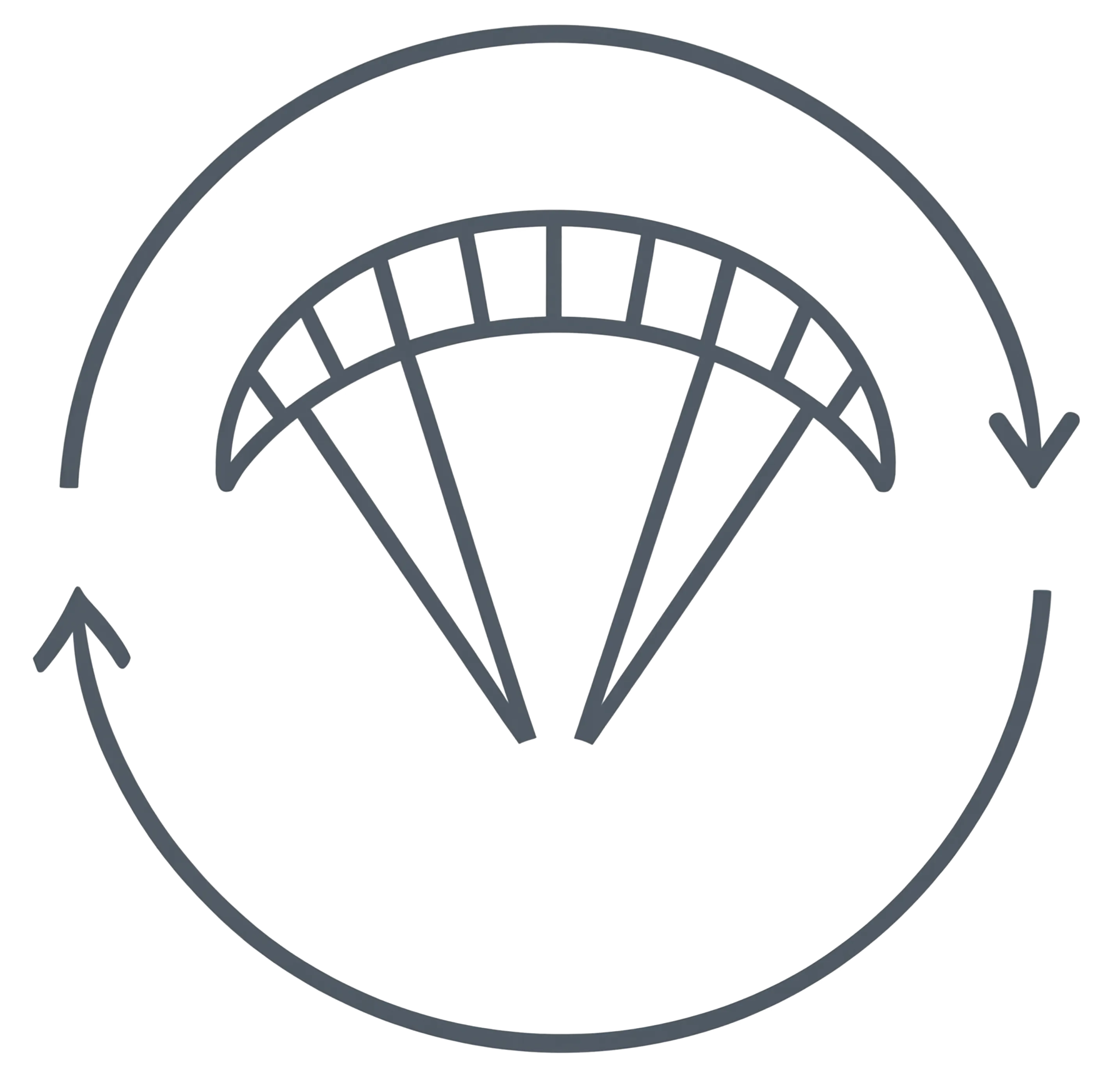 CLICK TO ROTATE
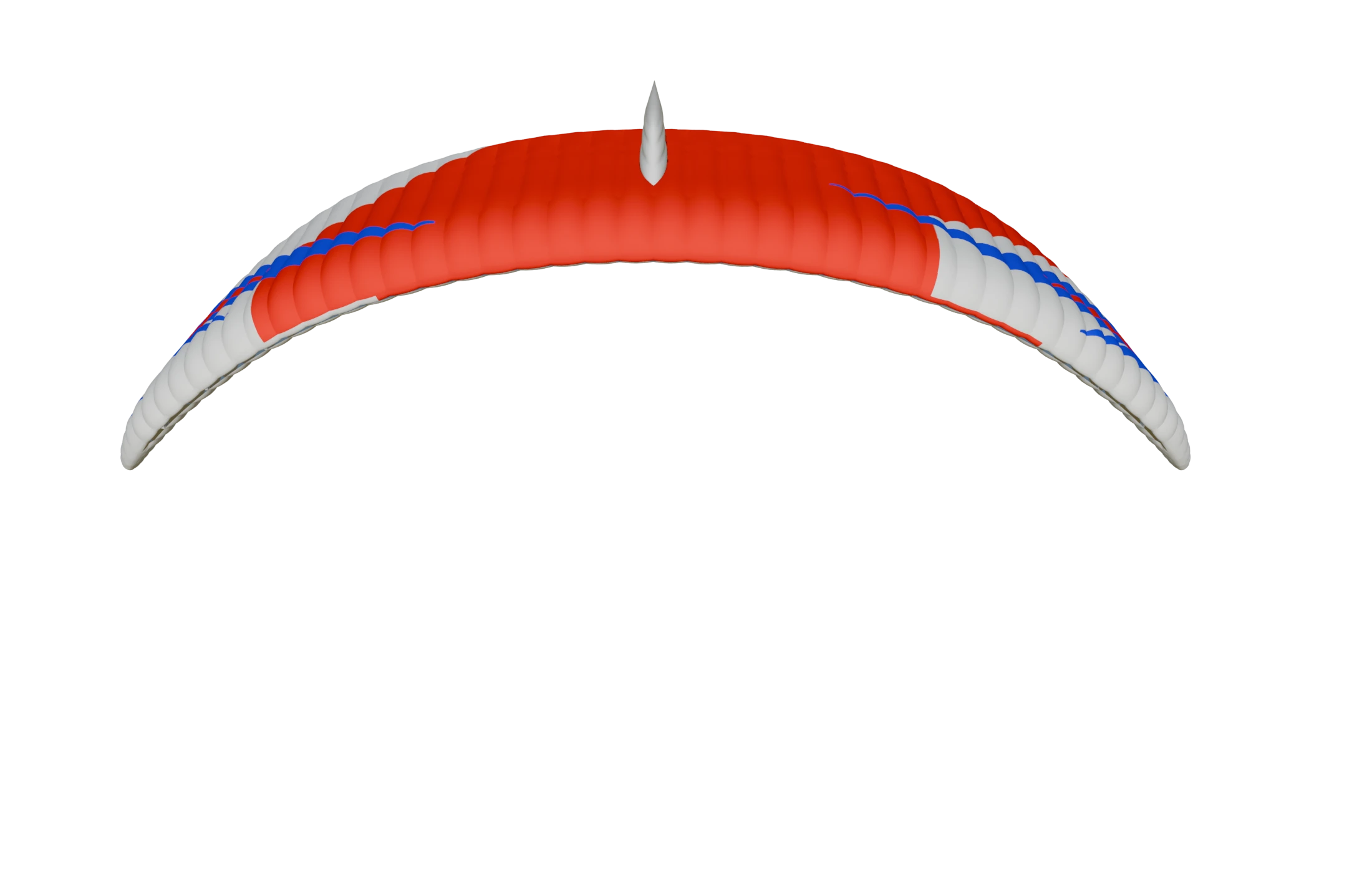



Custom Colour Configurator NRG Loop
Create your own APCO NRG Loop wing colour combination
Top Surface
Bottom Surface
Your Design
Select colours to see your design summary.
FREQUENTLY ASKED QUESTIONS
Getting Started
What is a Parakite?
A parakite is an innovative hybrid wing that combines the stability and control of a kite with the performance and safety of a modern paraglider. It’s designed for dynamic low-altitude flying, slope soaring, and proximity (terrain) flying, offering easy maneuverability even at higher speeds.
How it works?
Unlike traditional paragliders, parakites use a unique riser system instead of standard brakes. Rather than pulling the trailing edge of the wing, pilots control the angle of attack of the entire wing by pulling steering handles connected via a pulley system to the risers. This changes the wing’s pitch, allowing for precise speed and altitude control.
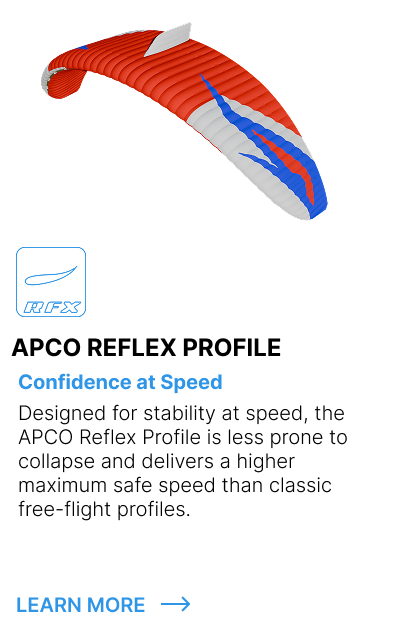
Parakites also feature a reflex airfoil profile, which keeps the wing highly stable and resistant to frontal collapses—even at high speeds and low angles of attack.
Who is it for?
Parakites are designed for pilots seeking fast, dynamic, and playful flight. This type of wing is perfect for:
- Proximity and terrain flyers: Pilots who want to experience dynamic, low-altitude carving close to the ground, slopes, and contours.
- High-wind enthusiasts: Anyone who wants to fly safely and comfortably in stronger wind conditions where regular paragliders are unusable.
- Dune and winter sports riders: Those looking to soar along coastal sand dunes in a fresh sea breeze or fly down snowy mountain slopes on skis or a snowboard.
How is it different from a kite (kitesurfing/snowkite)?
Although both share some design similarities, a parakite and a kite serve very different purposes.
- Purpose: Kites are designed to generate traction – pulling a rider across water, snow, or land on a board, skis, or buggy. A parakite is designed for free flight – lifting the pilot off the ground for dynamic, low-altitude soaring and proximity flying.
- Control System: Kites use a control bar with fixed lines and a depower system to manage pull. Parakites use a harness and riser system similar to paragliding, giving the pilot full 3D control over the wing in flight.
- Wing Loading & Profile: Kites are smaller, heavily loaded, and optimized for maximum pull at ground level. Parakites are larger, use a reflex airfoil profile, and are designed to carry the pilot’s full weight in the air – offering true glide, lift, and sustained flight.
- Freedom of Movement: With a kite, the rider stays on the surface and is connected to the ground or water. With a parakite, the pilot leaves the ground entirely, flying freely through the air along slopes, dunes, and ridges.
In short: a kite pulls you across the surface, while a parakite takes you into the air for real flight.
How is it different from paragliding?
While a parakite may look similar to a paraglider at first glance, the piloting system and purpose are fundamentally different.
A Parakite provides full 3D steering to pilot, while paraglider can be controlled only in
horizontal pane (right – left turns) plus very limited braking-acceleration authority.
- Control System: Traditional paragliders use brakes that pull down the trailing edge of the wing to slow down and steer. Parakites use a handle system that changes the wing’s angle of attack, allowing direct control over speed and pitch.
- Speed & Wind Range: Paragliders are optimized for slow flight and catching thermals to gain altitude. Parakites are built for a much wider speed range and perform best in stronger wind conditions, where standard paragliders would struggle or become unusable.
- Flying Style: Paragliders are generally used for cross-country soaring at higher altitudes. Parakites are designed for dynamic, low-altitude proximity flying—carving along dunes, ridges, and slopes—as well as skiing down mountains in winter.
Do I need previous flying experience?
Because parakites are fast, dynamic, and flown close to the ground, absolute beginners should always take a training course with a qualified instructor before attempting to fly independently.
Flying & Training
Can it help improve my paragliding skills?
Absolutely. Many pilots use Parakites to develop better canopy control and confidence on the air.
Can I use it in strong winds?
Yes, parakites are specifically designed to handle stronger wind conditions than traditional paragliders. Thanks to their reflex airfoil profile and unique angle-of-attack control system, parakites remain highly stable and resistant to collapses even in gusty or turbulent air. Their compact, more heavily loaded wing design allows them to hold position and perform well in winds that would typically push a standard paraglider backward.
That said, flying in strong winds still requires proper skill and experience it’s recommended to build confidence in moderate conditions first before progressing to stronger wind flying.
Is it suitable for snow or beach use?
One very important clarification: a parakite is not a traction kite. It will not pull you along flat ground, you cannot use it to kite standing still on a flat beach or flat snow field.
What it is absolutely perfect for is:
- Dynamic proximity flying down snow slopes on skis or snowboard
- Carving and flying centimetres above sand dunes in steady sea breeze
- Soaring along the crest of dunes and snow ridges for hours at a time
- These are also exactly the conditions that are usually far too strong and turbulent to safely fly a regular paraglider, which makes parakites the ideal tool for this.
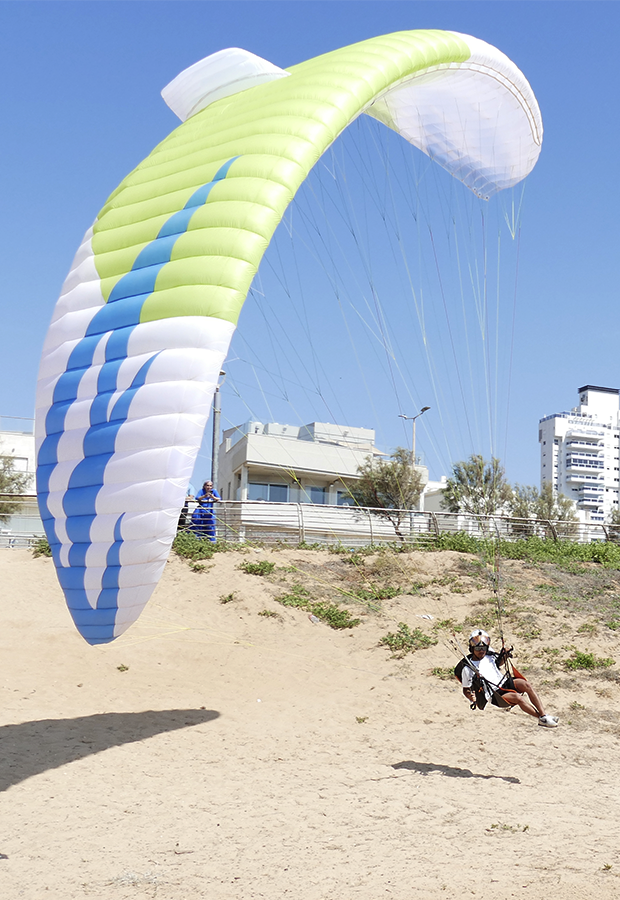
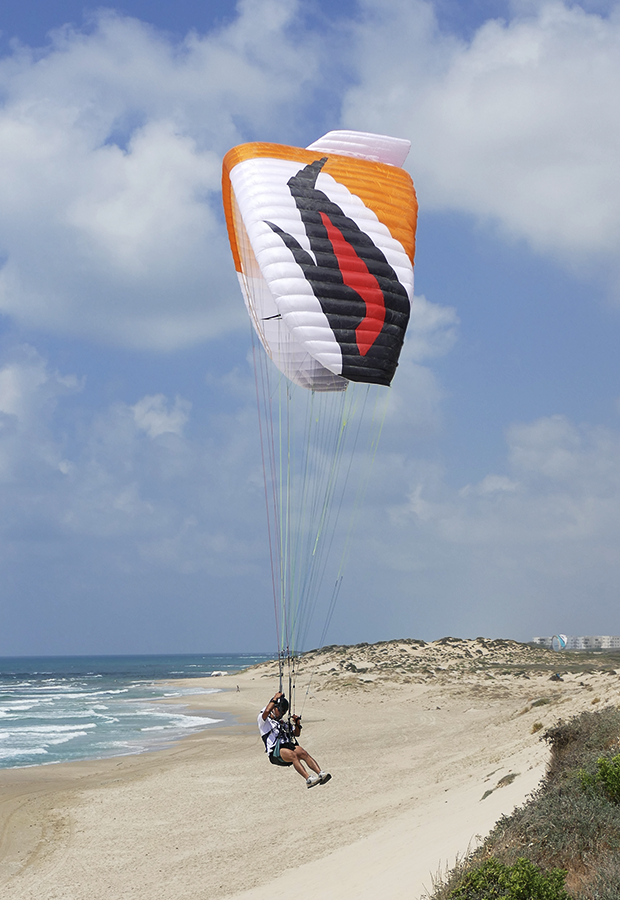
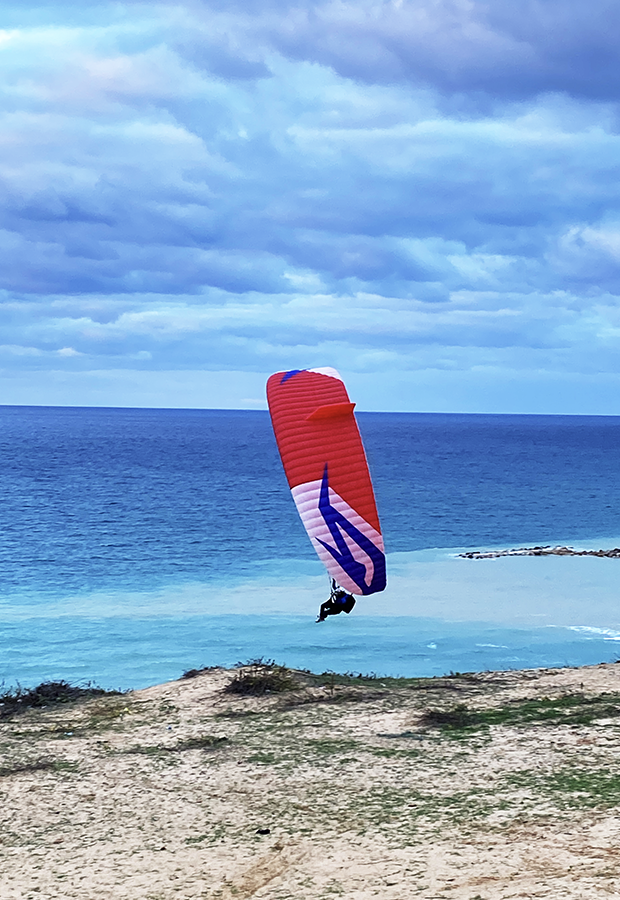
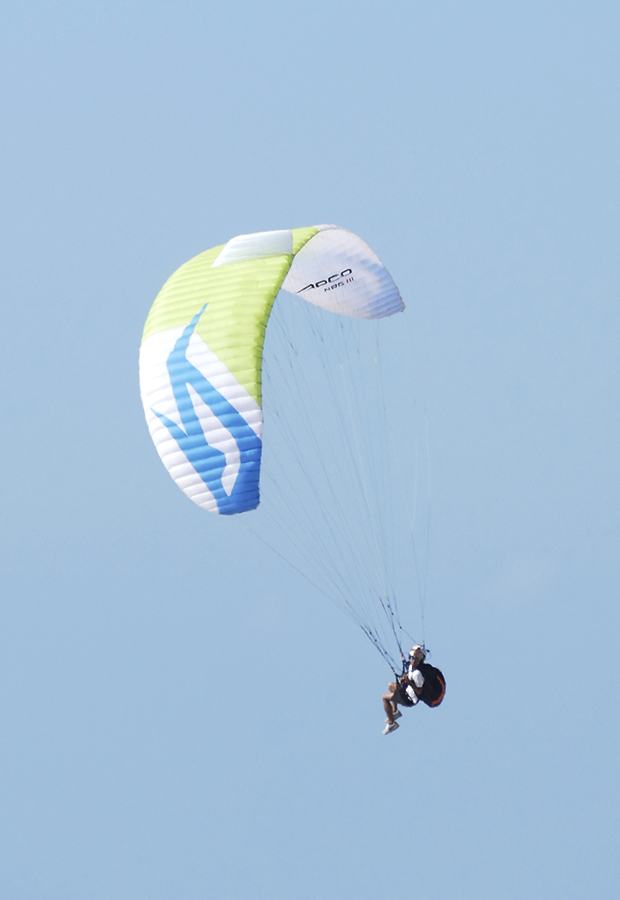
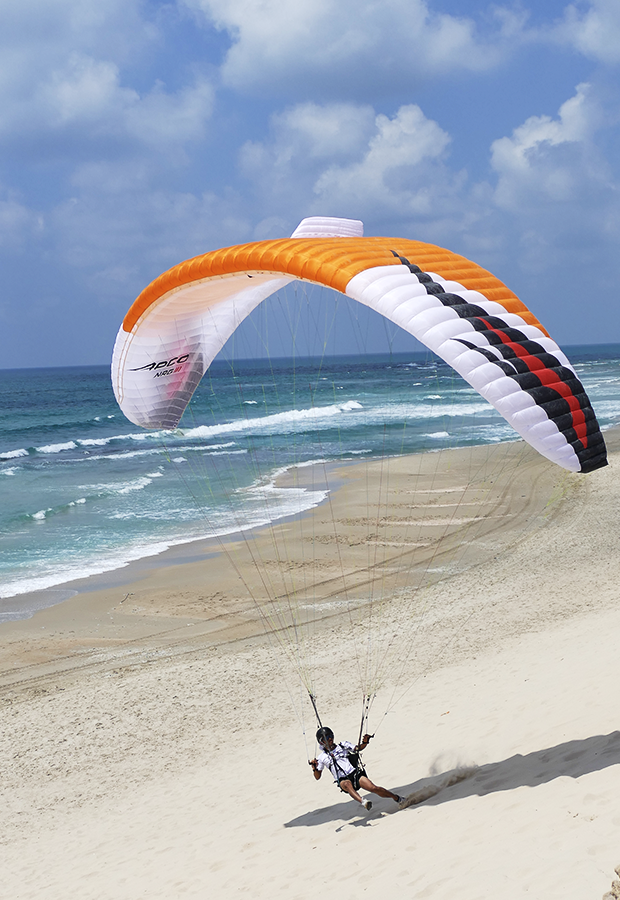
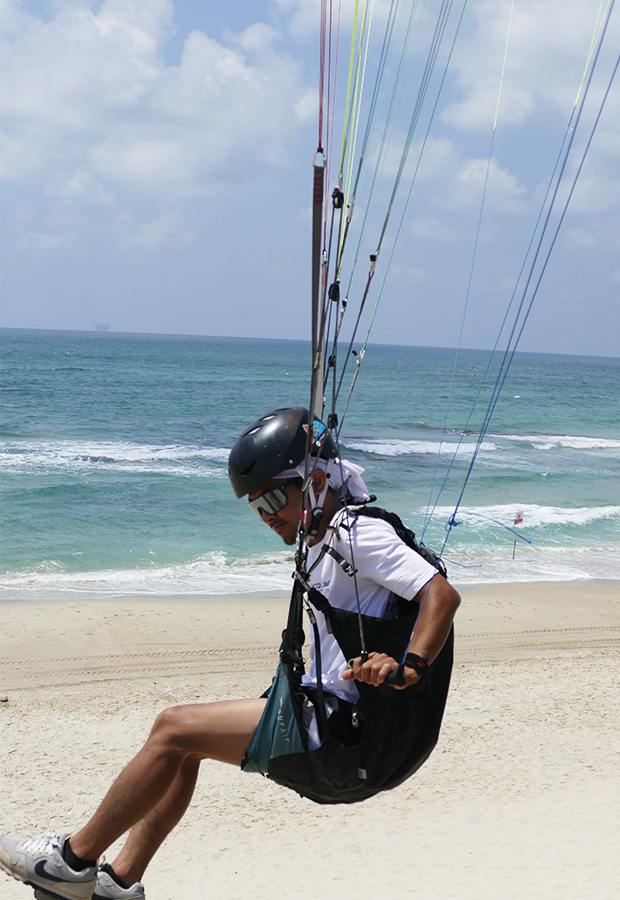
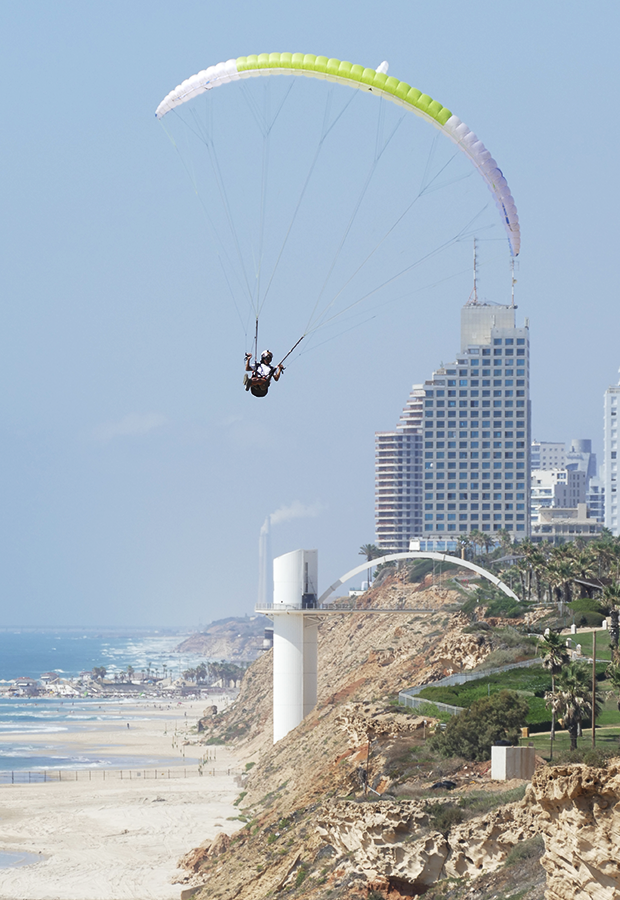
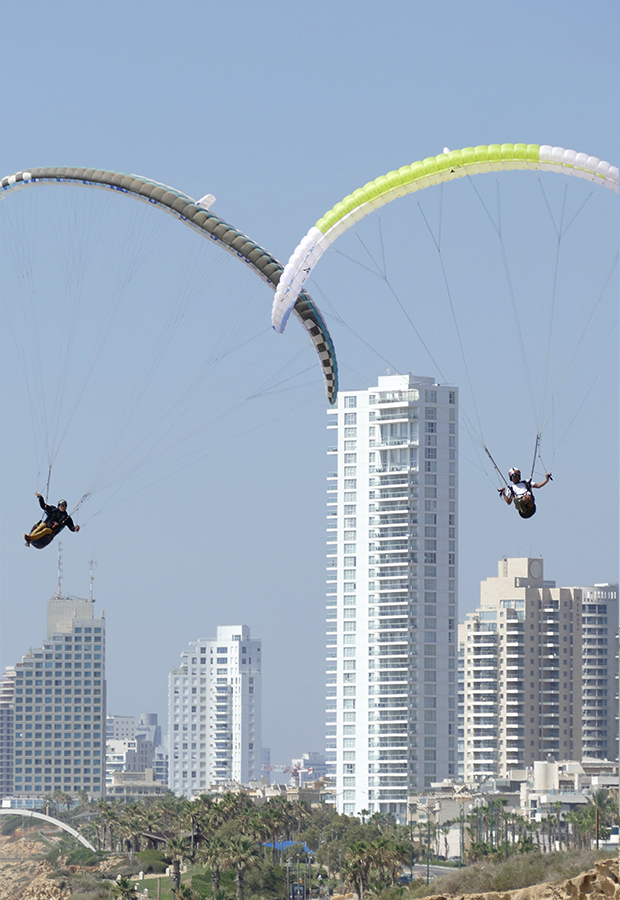
PERFECT FOR

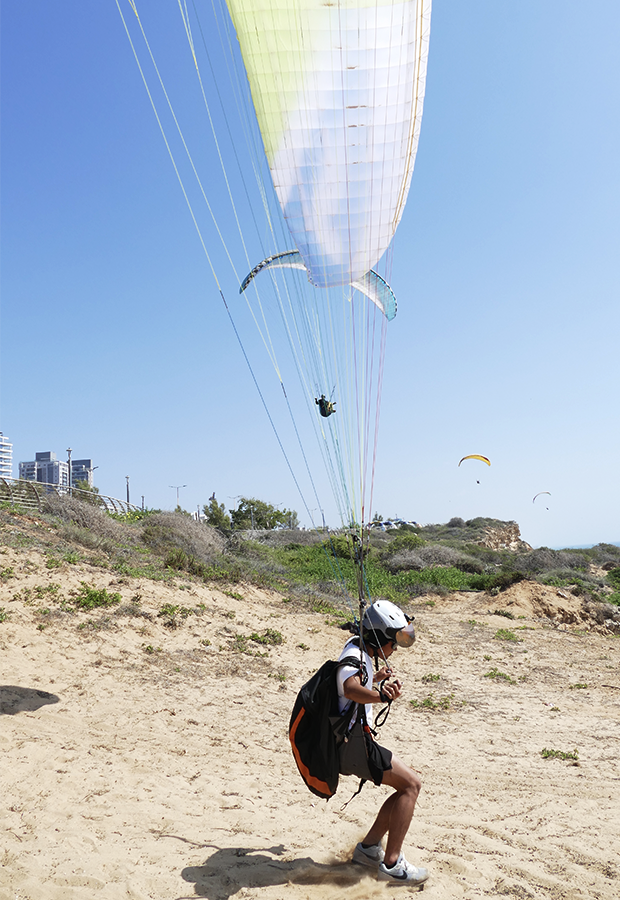
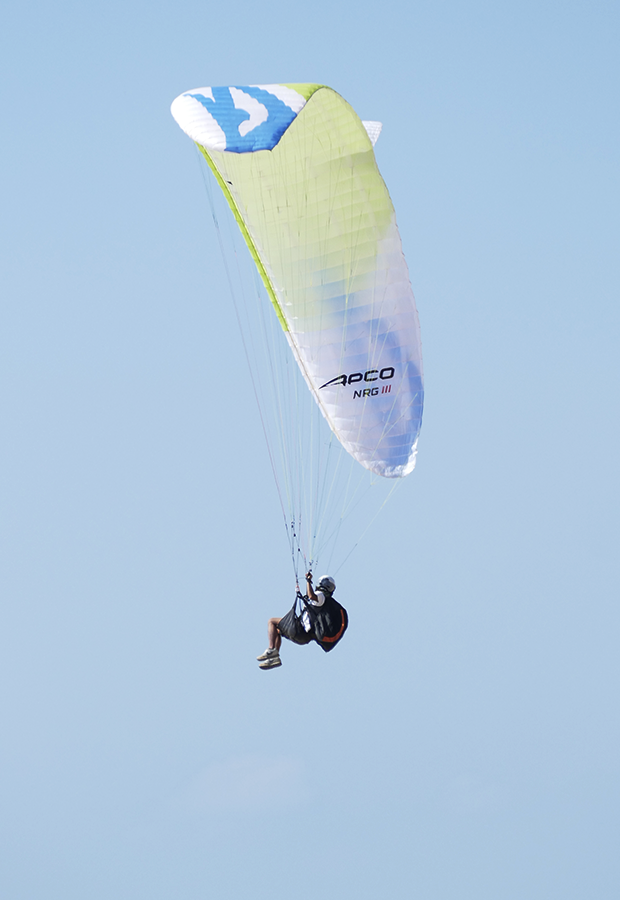
ADVANCED PILOTS
For experienced riders seeking greater performance

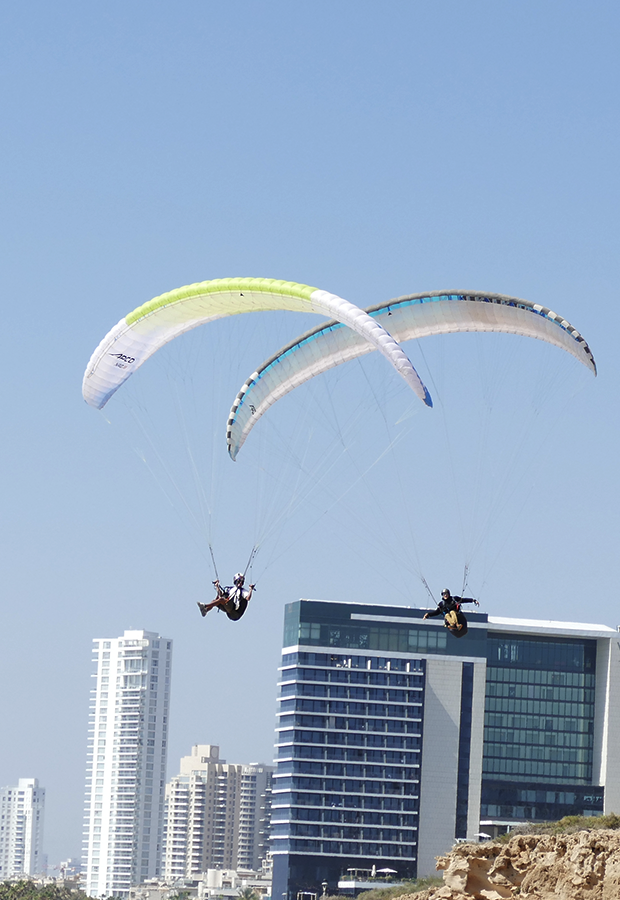
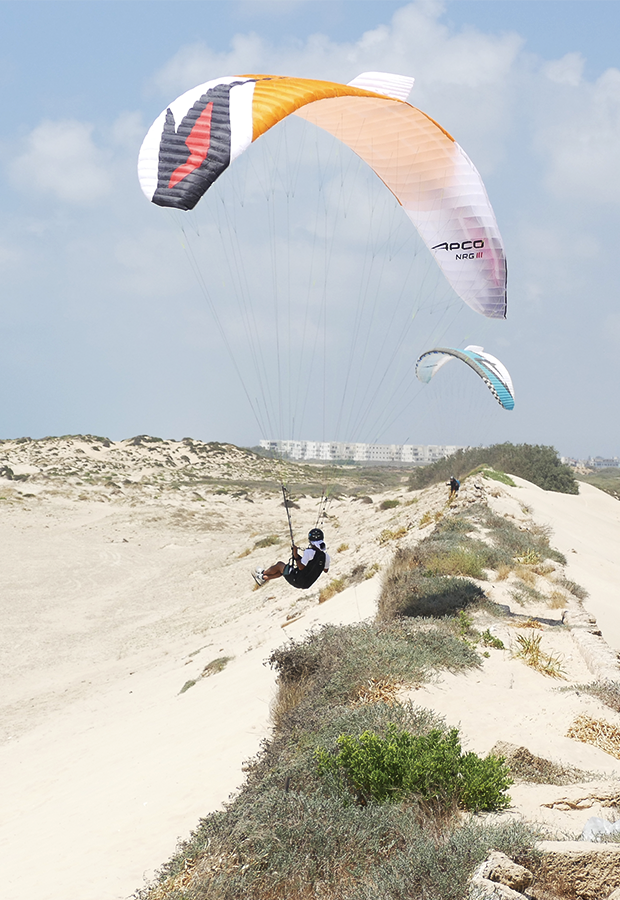
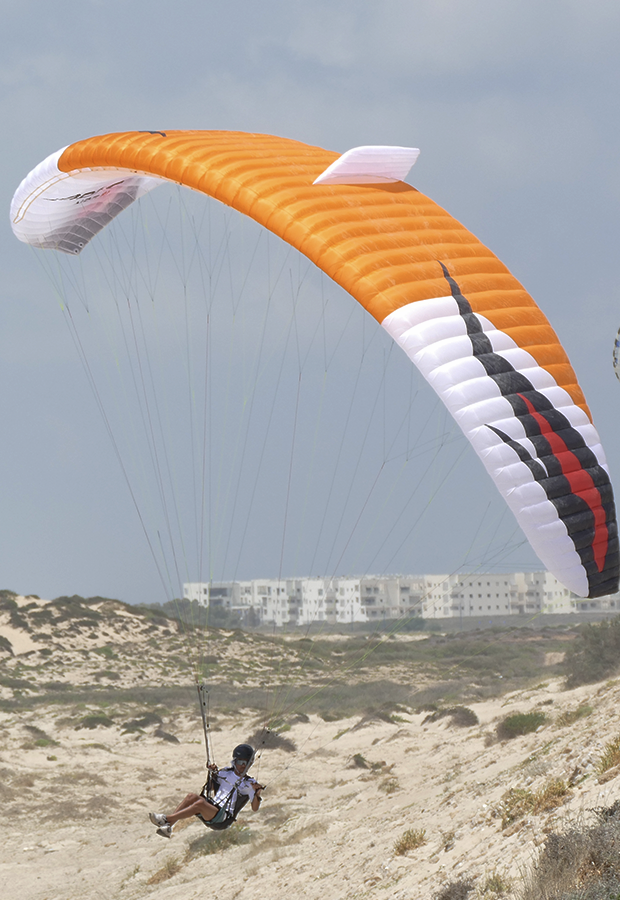
PROXIMITY FLYING
Precise control for dynamic low-level flying

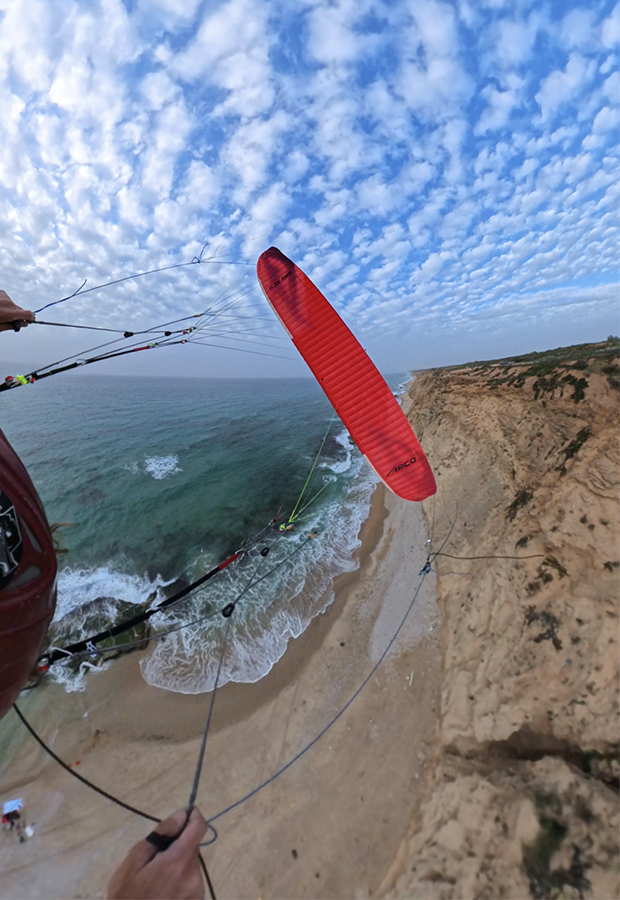
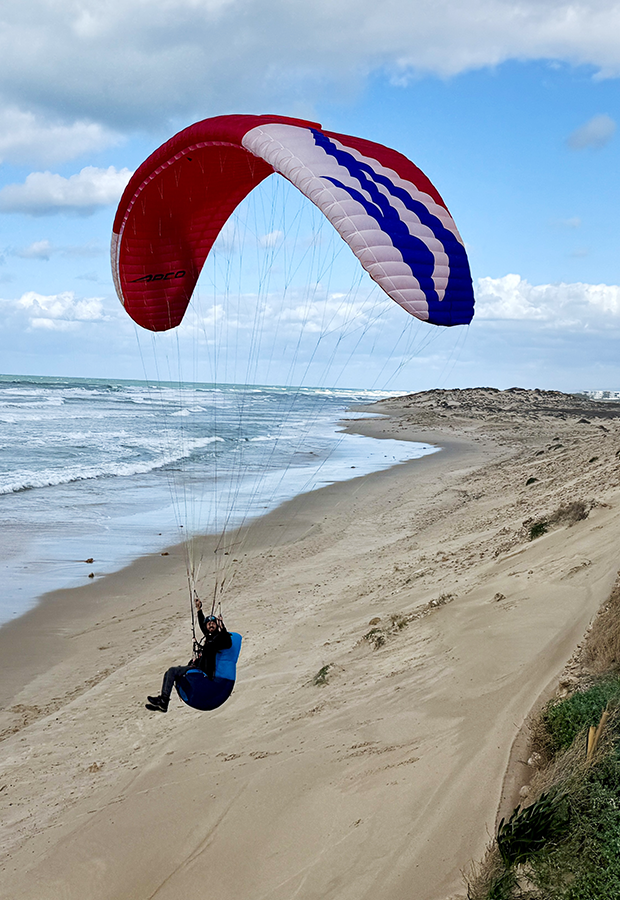
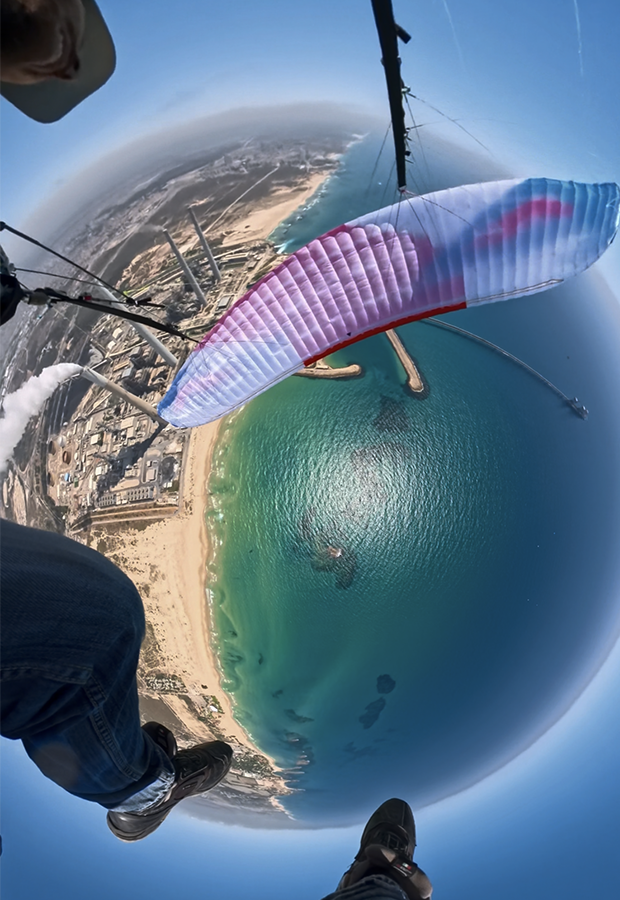
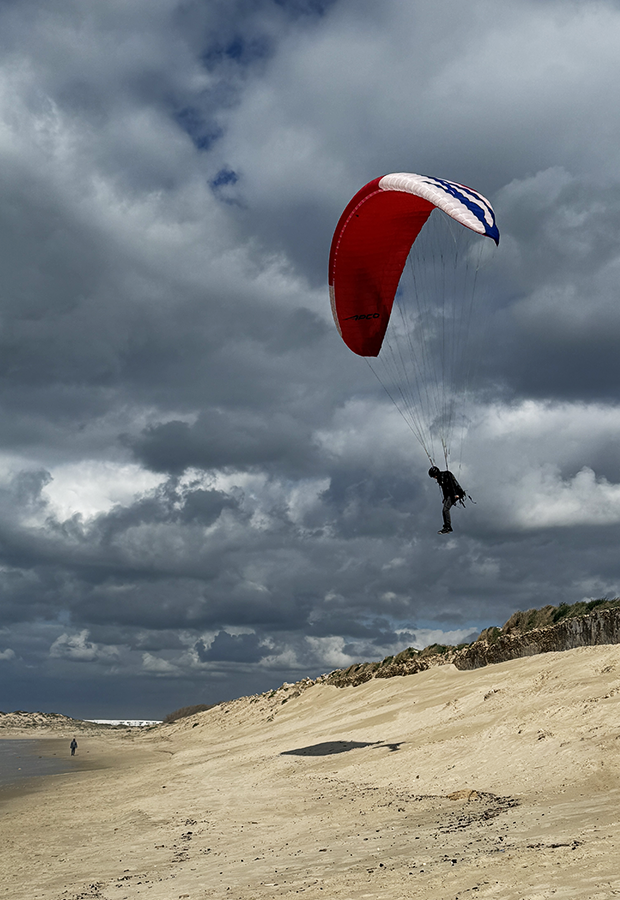
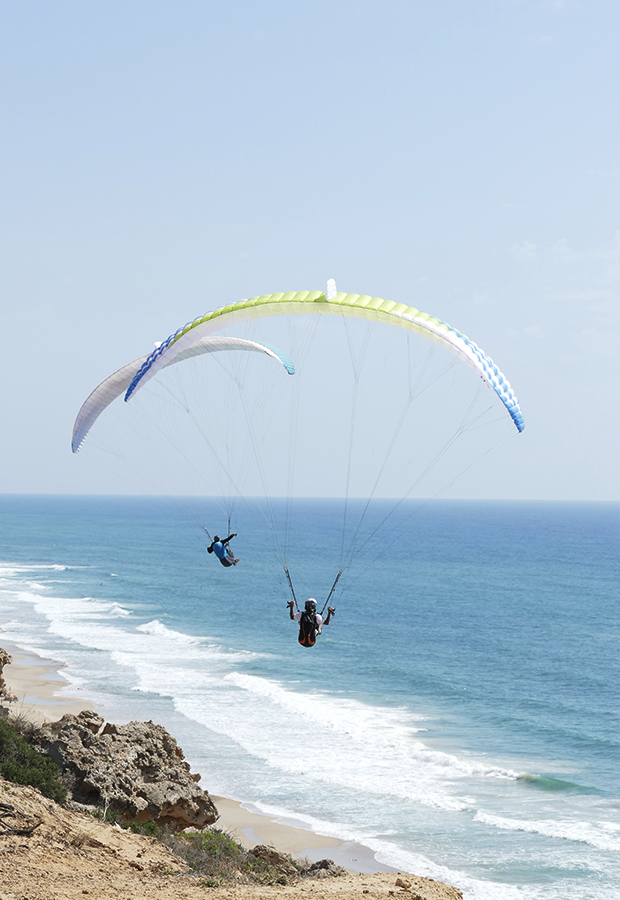
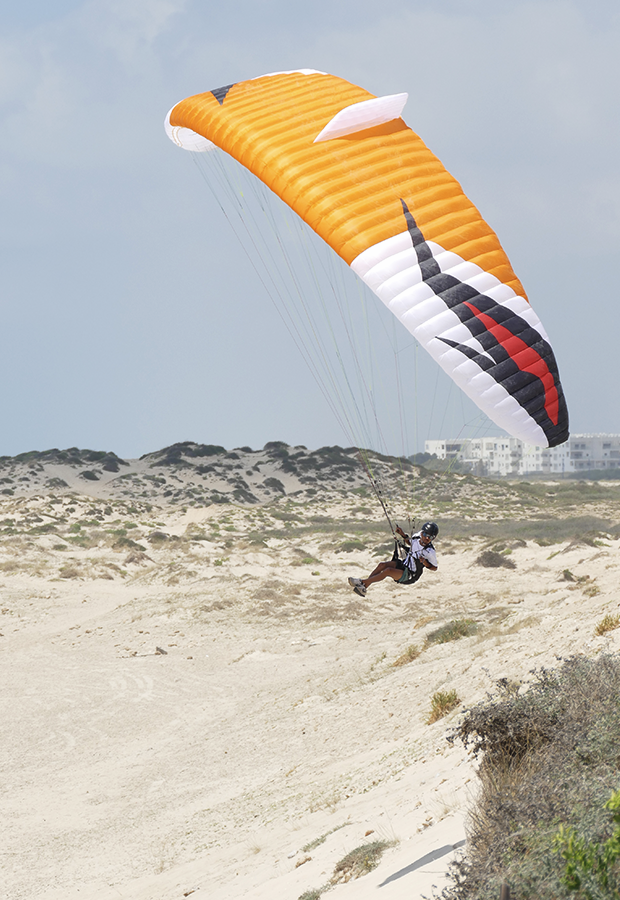
BEACH FLYING
Enjoy dynamic soaring sessions along beaches and coastal dunes

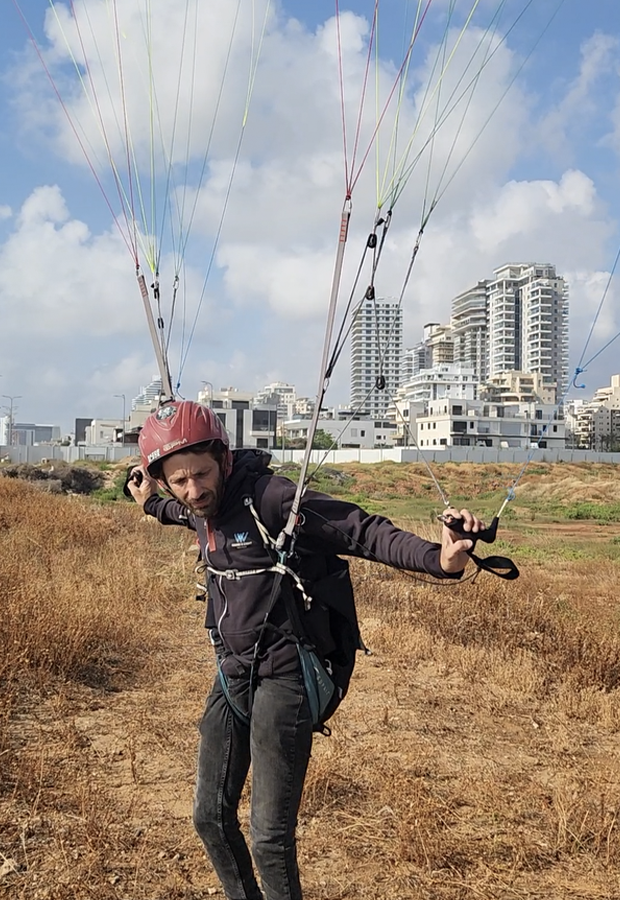
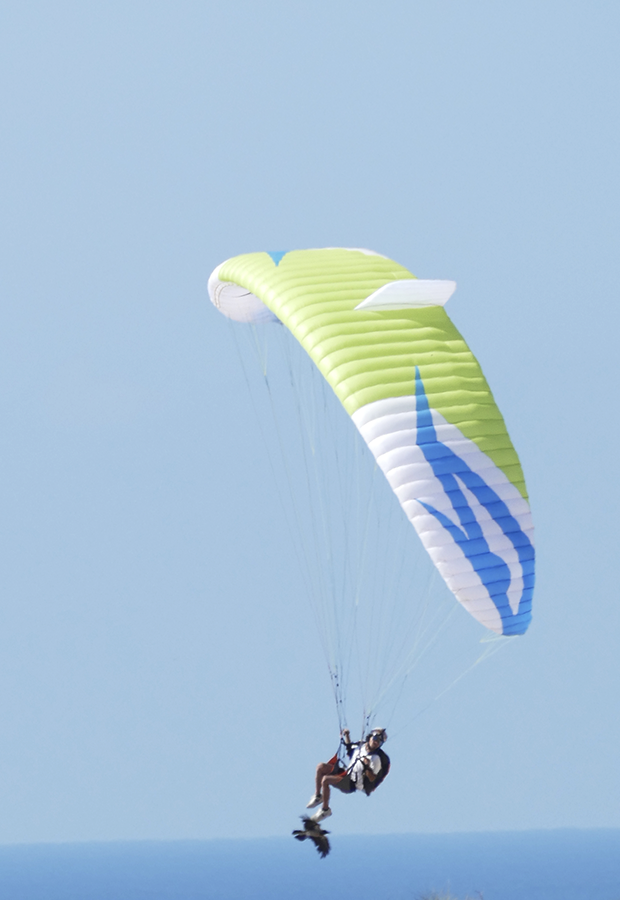
SPEED FLYING
Perfect for ski launches and exciting speed-riding adventures
BUNNY HOP – FROM START TO PRO

FROM FIRST STEPS TO PRO FLIGHTS
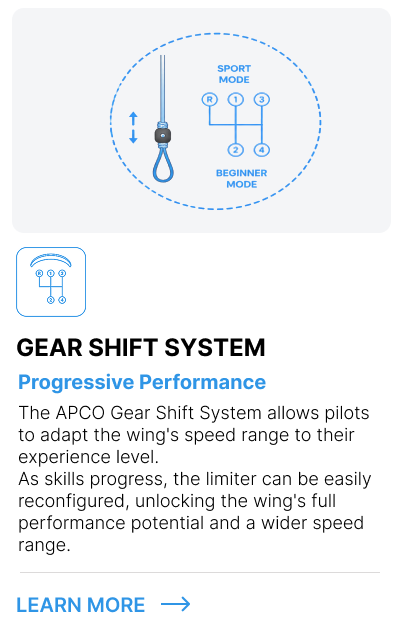
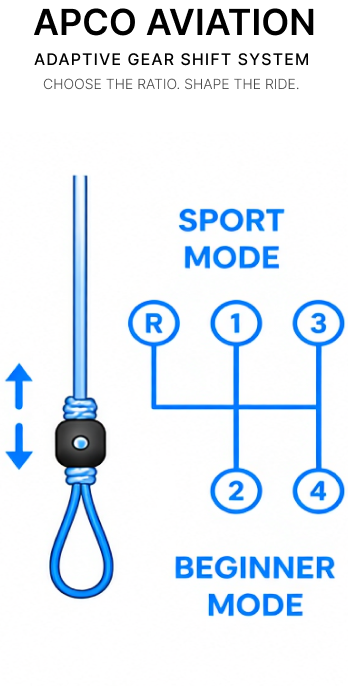
From your first ground handling session to confident proximity flights, Bunny Hop grows with you. Its unique 3-position Gear Shift System lets you choose between 1:4, 1:3 or 1:2 control ratios, delivering the right balance of safety, control and performance at every stage of your progression.

GEAR SHIFT SYSTEM
SELECT YOUR RESPONSE
A unique APCO system that lets pilots tailor the brake response to their own flying style. By changing the transmission ratio between the brake handle and the canopy, the wing can be configured for smoother, more progressive control or quicker, more direct handling.
Every Bunny Hop is supplied with a complete Gear Shift kit, allowing pilots to choose between 1:4, 1:3 and 1:2 transmission ratios. Whether you’re learning, progressing or seeking maximum responsiveness, the system adapts the wing to your preferences – not the other way around.


TRIM-LOCK SYSTEM
LOCKED SPEED SYSTEM
The APCO Trim-Lock System allows the pilot to mechanically secure the main toggles directly to the A-risers, maintaining the wing at its optimized trim position.
Through a dedicated split-control cascade, the pilot continues to command the wing with smooth, intuitive inputs, combining efficient high-speed flight with precise handling and reduced pilot workload.
Designed for advanced soaring and dynamic flying, the system delivers a unique blend of stability, control and performance.
— KEY TECHNOLOGIES —
— Additional Technologies —
REVIEWS
RESOURCES AND DOWNLOADS
Everything you need to get the most from your parakite.
Download manuals, technical information and important documents.
User Manual
Complete setup, operation, maintenance and safety information.
Version 1.0 | PDF | 4.2 MB
| Bunny Hop / Size | 22 | 24 | 26 |
|---|---|---|---|
| Area (projected) [m2] | 19.11 | 20.30 | 21.48 |
| Span (projected) [m] | 9.04 | 9.5 | 9.96 |
| Aspect Ratio | 5.77 | 6.0 | 6.23 |
| Pilot weight [kg] | 55-115 | 60-125 | 70-135 |
| Canopy Weight [kg] | 4.35 | 4.60 | 5.05 |
| Code | 23022 | 23024 | 23026 |
*Approximate Weight
| V-min [km/h] at optimal wing loading | 25 |
| V-trim [km/h] | 43 - 47 |
| V-max [km/h] at optimal wing loading | 69 |
| Min Sink [m/s] at optimal wing loading | 1.2 m/sec |
| Line | Material | Diameter [mm] |
|---|---|---|
| Top (Hook-up Points) | Dyneema | 0.9 |
| Mid (a1,b1) | Super Aramid | 1.5 |
| Mid (a,b,c,d,st, br) | Super Aramid | 1.2 |
| Bottom A1,B1 | Super Aramid | 1.9 |
| Bottom A3,A5,B3,B5 | Super Aramid | 1.8 |
| Bottom C,D, ST | Super Aramid | 1.5 |
| Brake top, St-top | Dyneema | 1.1 |
| Tip Steering | Dyneema | 1.1 |
| Bottom - Brake, 2D | Polyester | 2.0 |
| Sail Cloth: Top | 42 gr/m2 "Zero Porosity" Ripstop Nylon |
| Sail Cloth: Bottom | 27 gr/m2 "Zero Porosity" Ripstop Nylon |
| Rib Reinforcement | FLEXON® batten system |
| Warranty | 3 years / 250 Hours |
AVAILABLE COLOURS
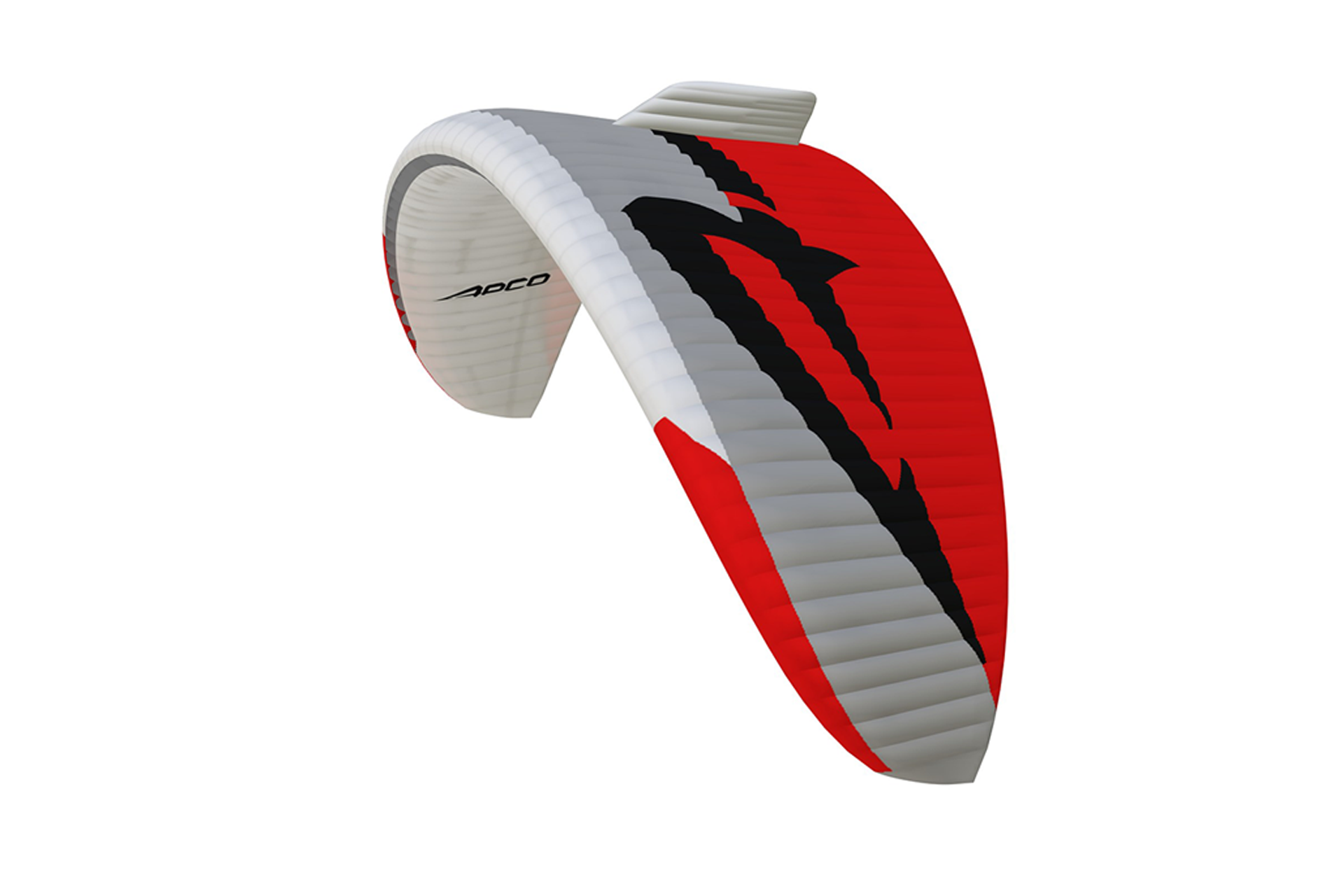



Custom Colour Configurator Bunny Hop
Create your own APCO Bunny Hop wing colour combination
Top Surface
Bottom Surface
Your Design
Select colours to see your design summary.
FREQUENTLY ASKED QUESTIONS
Getting Started
What is a Parakite?
A parakite is an innovative hybrid wing that combines the stability and control of a kite with the performance and safety of a modern paraglider. It’s designed for dynamic low-altitude flying, slope soaring, and proximity (terrain) flying, offering easy maneuverability even at higher speeds.
How it works?
Unlike traditional paragliders, parakites use a unique riser system instead of standard brakes. Rather than pulling the trailing edge of the wing, pilots control the angle of attack of the entire wing by pulling steering handles connected via a pulley system to the risers. This changes the wing’s pitch, allowing for precise speed and altitude control.
Parakites also feature a reflex airfoil profile, which keeps the wing highly stable and resistant to frontal collapses—even at high speeds and low angles of attack.
Who is it for?
Parakites are designed for pilots seeking fast, dynamic, and playful flight. This type of wing is perfect for:
- Proximity and terrain flyers: Pilots who want to experience dynamic, low-altitude carving close to the ground, slopes, and contours.
- High-wind enthusiasts: Anyone who wants to fly safely and comfortably in stronger wind conditions where regular paragliders are unusable.
- Dune and winter sports riders: Those looking to soar along coastal sand dunes in a fresh sea breeze or fly down snowy mountain slopes on skis or a snowboard.
How is it different from a kite (kitesurfing/snowkite)?
Although both share some design similarities, a parakite and a kite serve very different purposes.
- Purpose: Kites are designed to generate traction – pulling a rider across water, snow, or land on a board, skis, or buggy. A parakite is designed for free flight – lifting the pilot off the ground for dynamic, low-altitude soaring and proximity flying.
- Control System: Kites use a control bar with fixed lines and a depower system to manage pull. Parakites use a harness and riser system similar to paragliding, giving the pilot full 3D control over the wing in flight.
- Wing Loading & Profile: Kites are smaller, heavily loaded, and optimized for maximum pull at ground level. Parakites are larger, use a reflex airfoil profile, and are designed to carry the pilot’s full weight in the air – offering true glide, lift, and sustained flight.
- Freedom of Movement: With a kite, the rider stays on the surface and is connected to the ground or water. With a parakite, the pilot leaves the ground entirely, flying freely through the air along slopes, dunes, and ridges.
In short: a kite pulls you across the surface, while a parakite takes you into the air for real flight.
How is it different from paragliding?
While a parakite may look similar to a paraglider at first glance, the piloting system and purpose are fundamentally different.
A Parakite provides full 3D steering to pilot, while paraglider can be controlled only in horizontal pane (right – left turns) plus very limited braking-acceleration authority.
- Control System: Traditional paragliders use brakes that pull down the trailing edge of the wing to slow down and steer. Parakites use a handle system that changes the wing’s angle of attack, allowing direct control over speed and pitch.
- Speed & Wind Range: Paragliders are optimized for slow flight and catching thermals to gain altitude. Parakites are built for a much wider speed range and perform best in stronger wind conditions, where standard paragliders would struggle or become unusable.
- Flying Style: Paragliders are generally used for cross-country soaring at higher altitudes. Parakites are designed for dynamic, low-altitude proximity flying—carving along dunes, ridges, and slopes—as well as skiing down mountains in winter.
Do I need previous flying experience?
Because parakites are fast, dynamic, and flown close to the ground, absolute beginners should always take a training course with a qualified instructor before attempting to fly independently.
Flying & Training
Can it help improve my paragliding skills?
Absolutely. Many pilots use Parakites to develop better canopy control and confidence on the air.
Can I use it in strong winds?
Yes, parakites are specifically designed to handle stronger wind conditions than traditional paragliders. Thanks to their reflex airfoil profile and unique angle-of-attack control system, parakites remain highly stable and resistant to collapses even in gusty or turbulent air. Their compact, more heavily loaded wing design allows them to hold position and perform well in winds that would typically push a standard paraglider backward.
That said, flying in strong winds still requires proper skill and experience it’s recommended to build confidence in moderate conditions first before progressing to stronger wind flying.
Is it suitable for snow or beach use?
One very important clarification: a parakite is not a traction kite. It will not pull you along flat ground, you cannot use it to kite standing still on a flat beach or flat snow field.
What it is absolutely perfect for is:
- Dynamic proximity flying down snow slopes on skis or snowboard
- Carving and flying centimetres above sand dunes in steady sea breeze
- Soaring along the crest of dunes and snow ridges for hours at a time
- These are also exactly the conditions that are usually far too strong and turbulent to safely fly a regular paraglider, which makes parakites the ideal tool for this.
PERFECT FOR
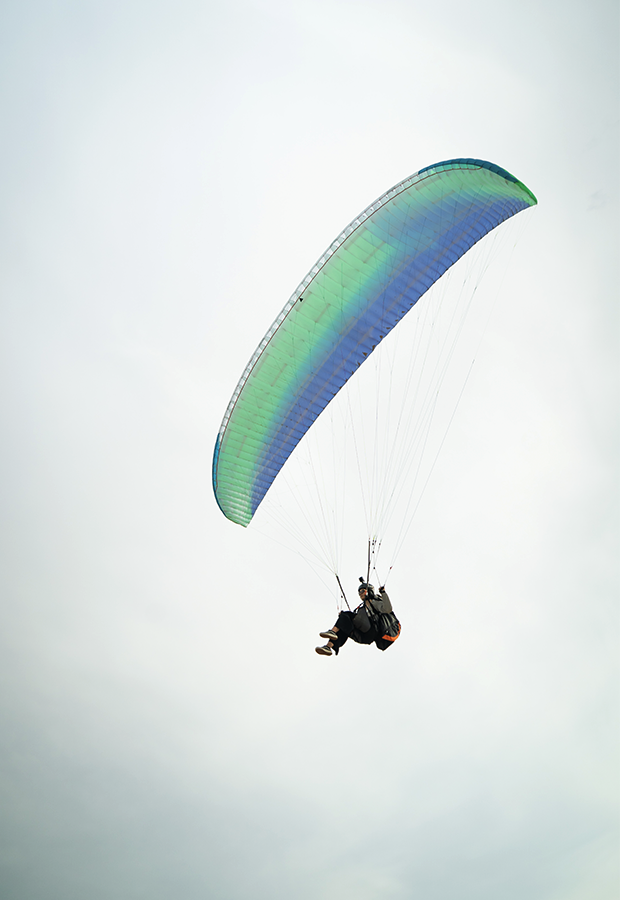
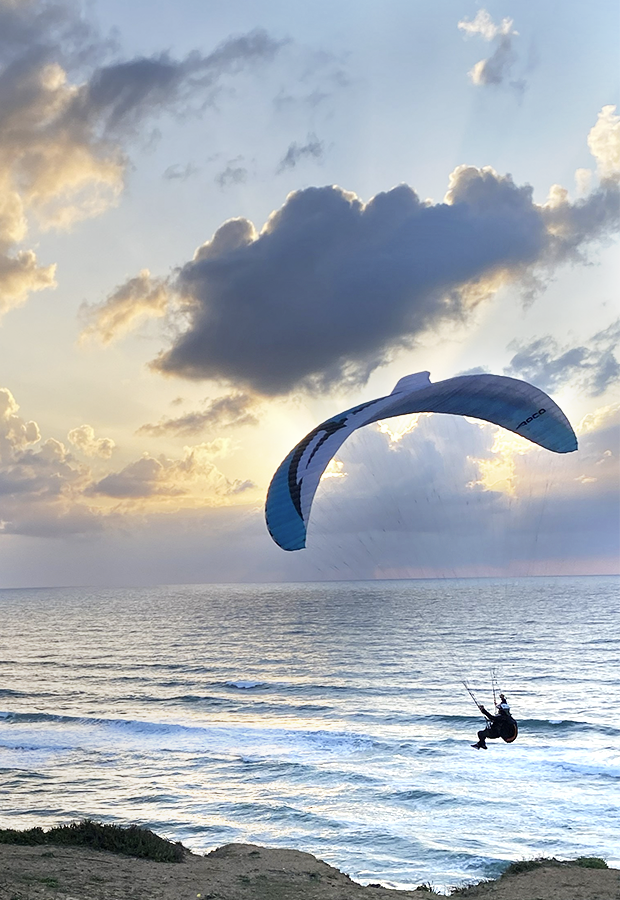
BEGINNER PILOTS
Ideal for first fligths and skill building

PARAGLIDER TRAINING
Improve wing control and ground handing
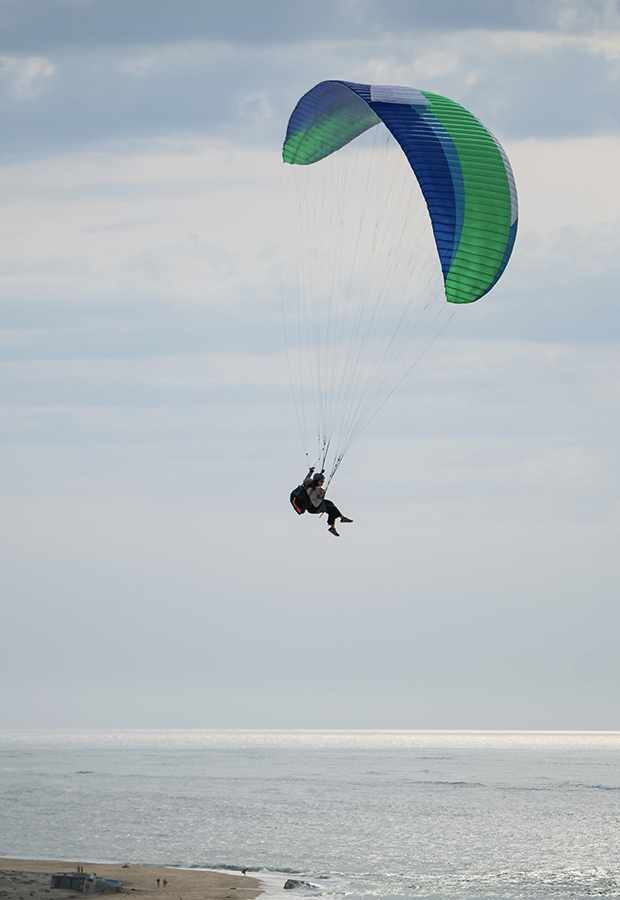
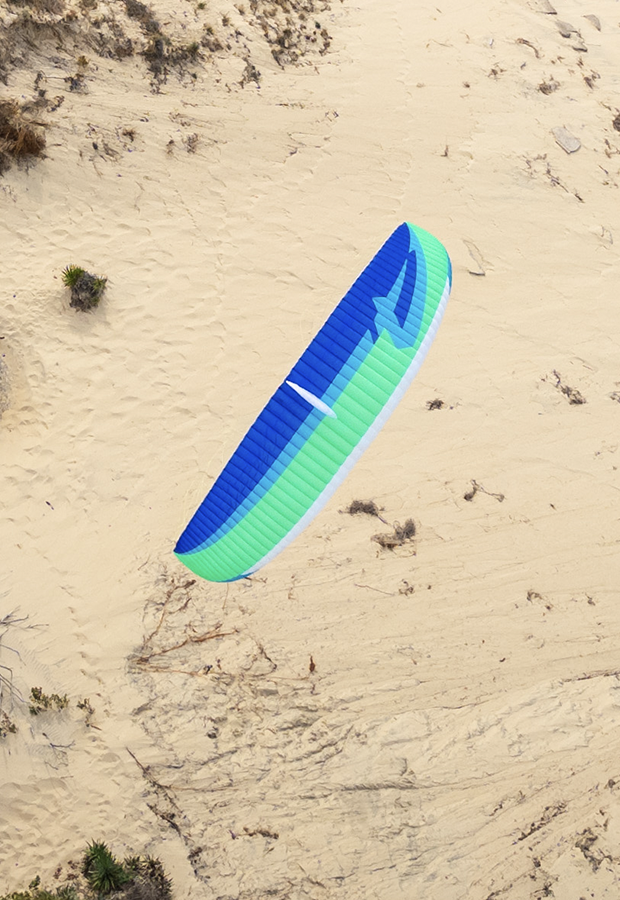
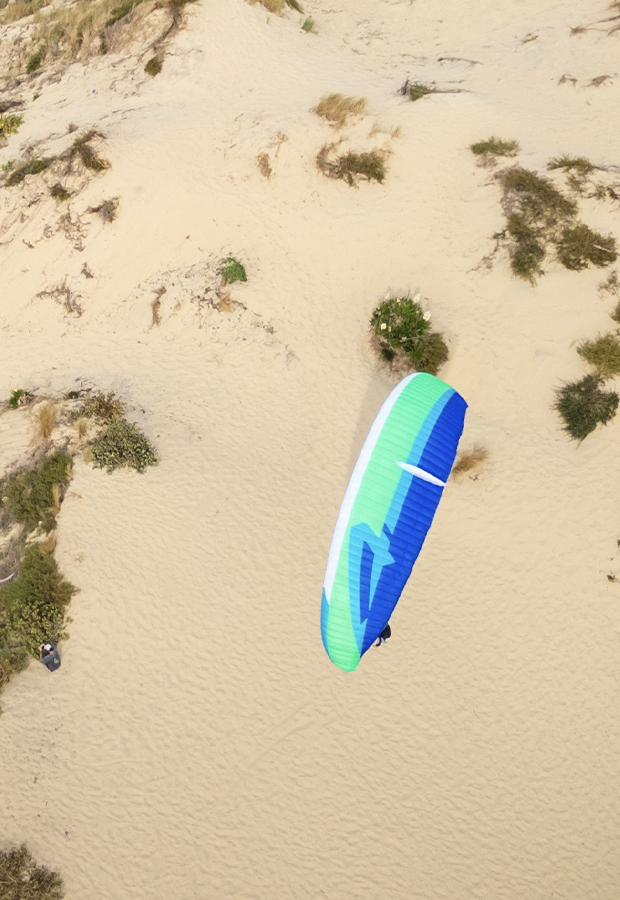
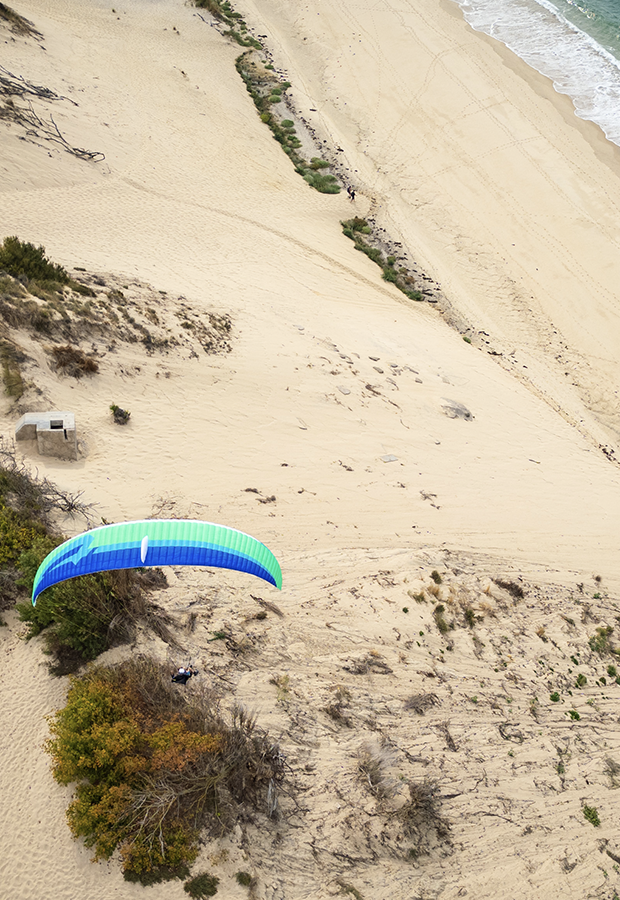
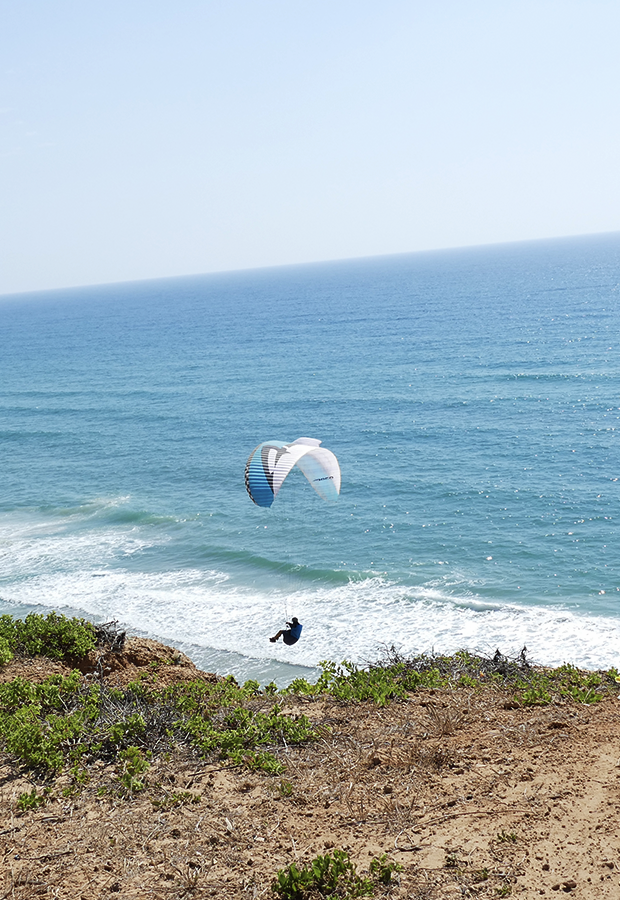
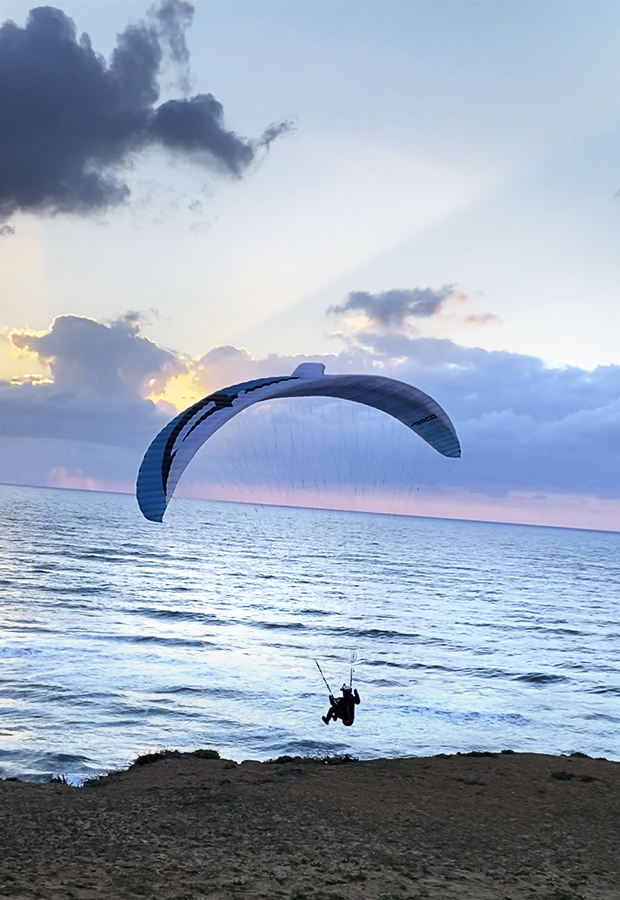
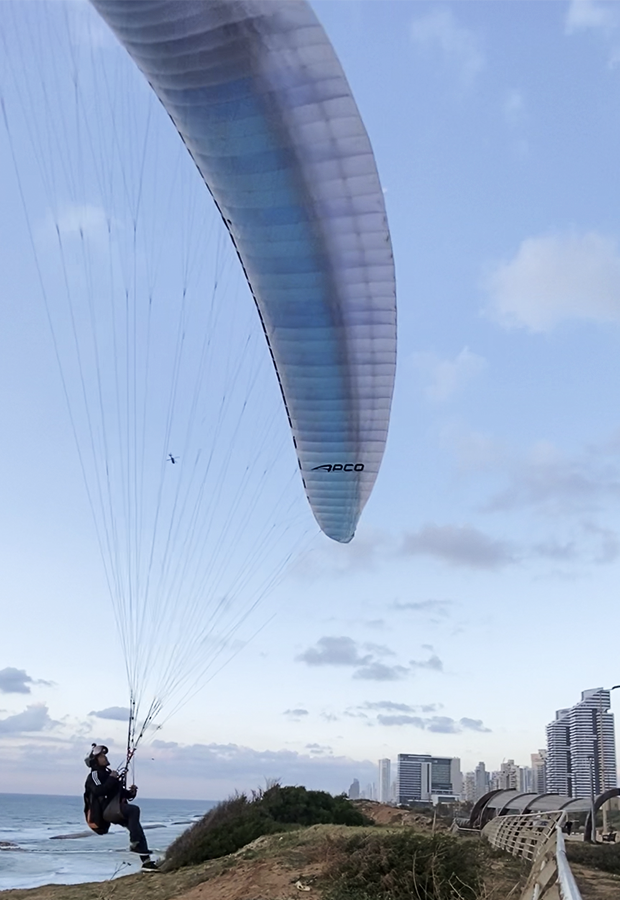
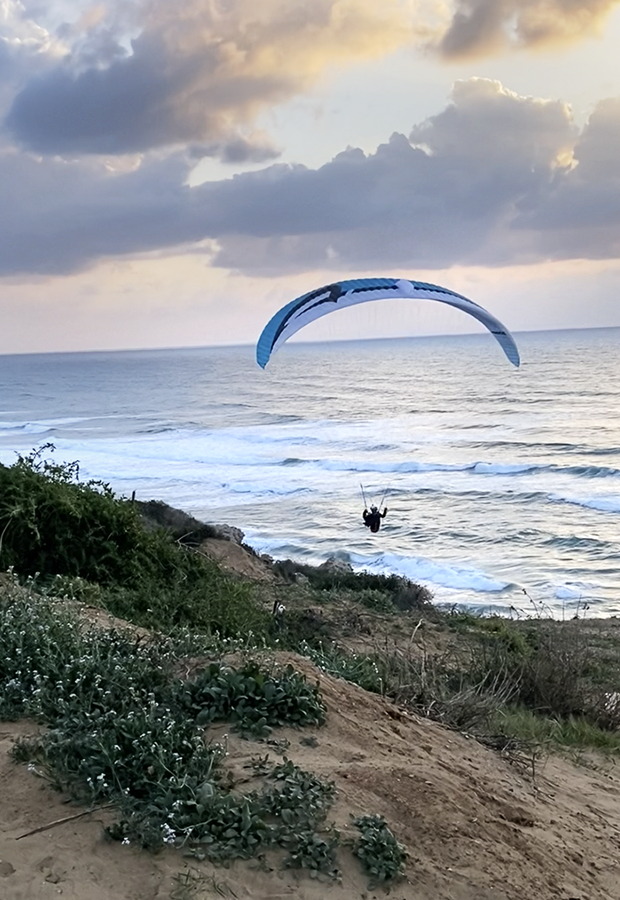
BEACH FLYING
Enjoy dynamic soaring sessions along beaches and coastal dunes
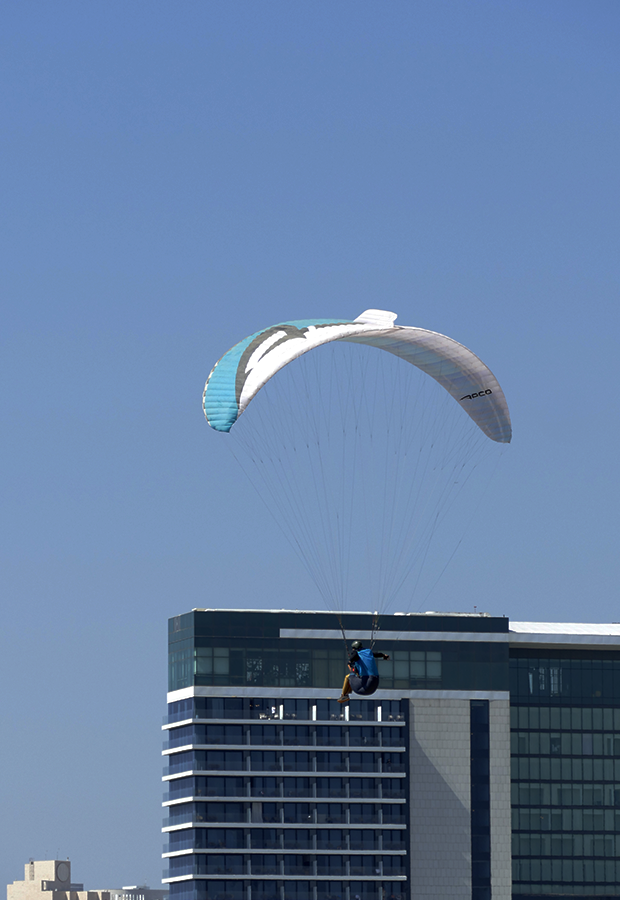
SPEED FLYING
Perfect for ski launches and exciting speed-riding adventures